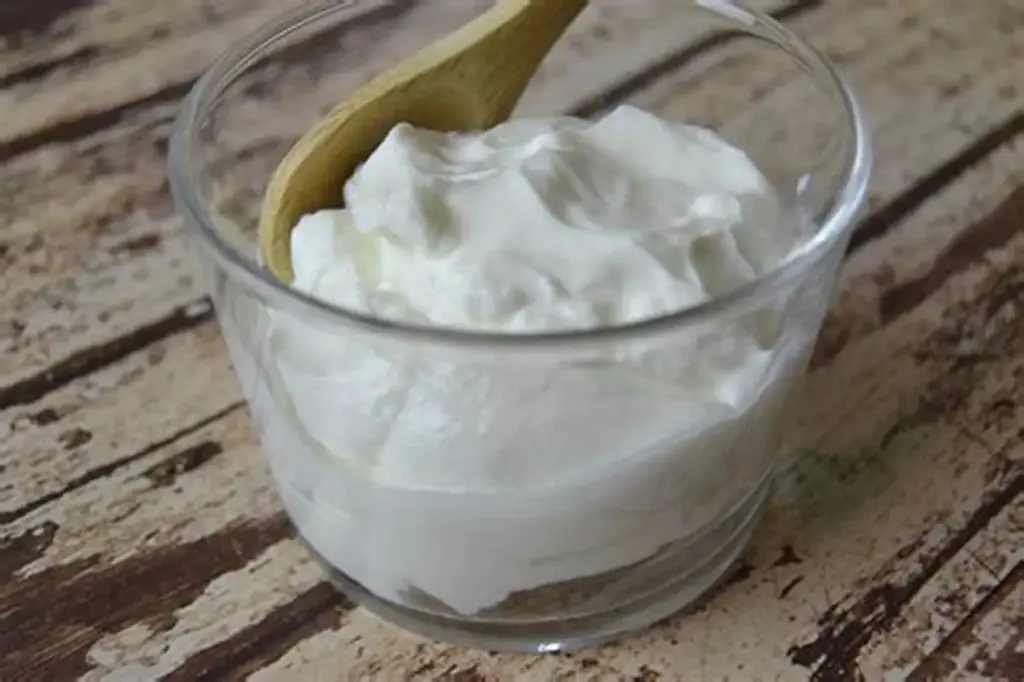
Skyr Starter Culture is for the Icelandic dairy product. Skyr has the consistency of a thick, almost curd-like yoghurt but has a milder flavour. Skyr is somewhere between cheese and yoghurt. You can make it like strained yoghurt, or even add a drop of rennet for extra thickness. Make it yourself at home with this starter culture.
Skyr is made from skimmed milk, so it contains almost no traces of fat, which is why it is considered healthier than regular yoghurt. Skyr has three and a half times more protein than regular yoghurt and two and a half times more than Greek yoghurt. These high levels of protein in skyr make it equivalent to two and a half servings of dairy products, which can replace meat, fish or eggs. Skyr is rich in probiotics and has many benefits, which can be found described in several posts on the web.
Skyr is a thermophilic yoghurt variant, which means it is a heat-loving type of yoghurt. So you need a warm place, such as a yoghurt maker, drying oven, sous vide unit or steam oven to make it. See below for details.
This product is freeze-dried and can be stored for a long time. The packaging can be resealed after opening and therefore used for several batches.
Contents: milk powder, starter cultures (microorganisms active lactic acid cultures including Lactobacillus Bulgaricus and Streptococcus Thermophilus)
Njordstorps startkulturer är ren frystorkade kulturer utan konstige ingredienser. Du kan framställa sats efter sats med den yoghurt du har gjort efter första gången. Beroende på din hygien kan det bli kontaminerat och om du upptäcker att smaken eller surheten blir annorlunda kan du börja om med kulturen du har kvar i påsen.
Förvaringsanvisningar Skyr startkultur: Förvara i kylen eller frysen. Startkultur är mycket hydrofil, om fukt kommer in i förpackningen kommer det att försämra kvaliteten. Hållbarhet up to 2 år i frysen.
Making skyr
Tools you will need:
Yoghurt maker, dehydrator, steam oven or sous vide unit that maintains a temperature of approx. 43 °C
Cheesecloth
Activates your starter:
Take 1 litre of milk and slowly heat it to boiling point to kill any harmful bacteria. Untreated milk will probably still contain bacteria, so you will need to use twice as much starter to ensure that the right culture dominates.
Allow the milk to cool to 43 °C; this can be done in the same container.
Add the skyr starter culture to the milk and stir well, but do not whisk as this will create bubbles and increase the risk of contamination.
Cover your containers loosely (do not seal them airtight).
Place the container with the milk in your yoghurt maker or whatever you intend to use.
Ferment the milk at 43 °C for approximately 6 to 8 hours and, if necessary, add another 2 hours. There may be some separation (whey and yoghurt), which is normal. The skyr has set when it separates cleanly from the sides of the jar when you tilt it.
Leave to drain overnight (preferably in the refrigerator) in a clean towel, coffee filter, cheesecloth or thick kitchen paper.
You can use 1-2 tablespoons of this skyr to cultivate new skyr.
Store in the refrigerator for up to 7 days.
Skyr can also be made with other types of milk: sheep, goat, skimmed milk, whole milk, etc.
Tips
If necessary, add a drop of rennet for a firmer skyr. The skyr only thickens after it has been drained. Sometimes a dried yoghurt starter needs a second fermentation to turn out as it should.